The Wasteland
A post-apocalyptic world that already exists — the map, the quests, the enemies, the loot and the art. You bring the group and the storytelling. It brings the rules and does the bookkeeping.
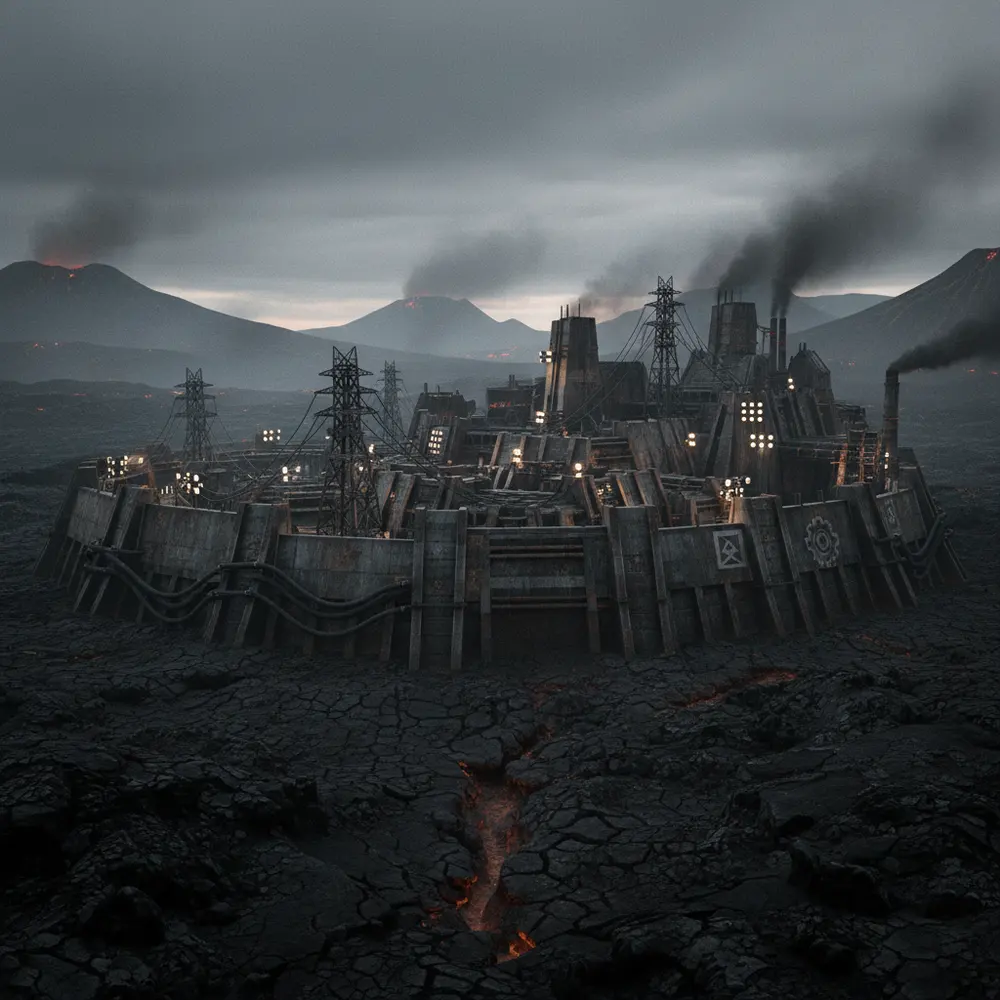
A campaign, not a toolkit
Most tools in this space hand you an empty canvas and wish you luck. This is the opposite: a finished world with 39 places joined by 118 routes, 20 quests broken into 74 written beats, 30 traders with their own stock, and 53 perks to learn.
You don't need to have run a tabletop game before. You need a group, and the willingness to describe what happens next.
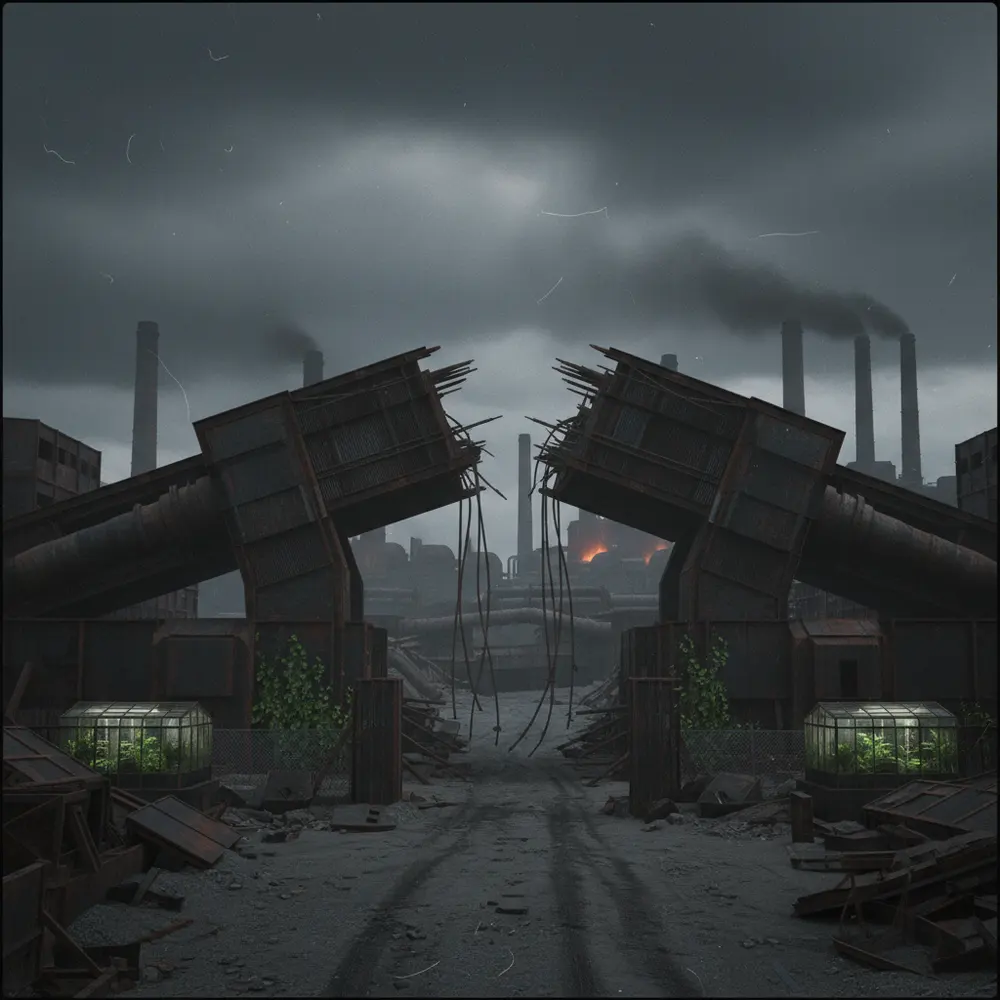
What this actually costs you
Campaigns don't usually die because the game was bad. They die because nobody said the real number out loud at the start. So:
A group clearing one or two quests a session gets through all 20 in something like 15 to 25 weeks of weekly play — the upper end being the one where people go off on tangents, which is usually the good part.
You don't have to run all of them. The quests aren't a track to be completed; take the ones that suit your group and leave the rest. A shorter campaign is a legitimate way to play this, and meeting twice a week is another.
What you don't spend time on: encounter maths, initiative order, XP, levelling, ammo, reward tables, or keeping anyone's character sheet honest. Those are the parts that are handled. Most GMs like half an hour beforehand to read the next quest's beats — but that's a habit worth having, not a requirement.
Make it yours
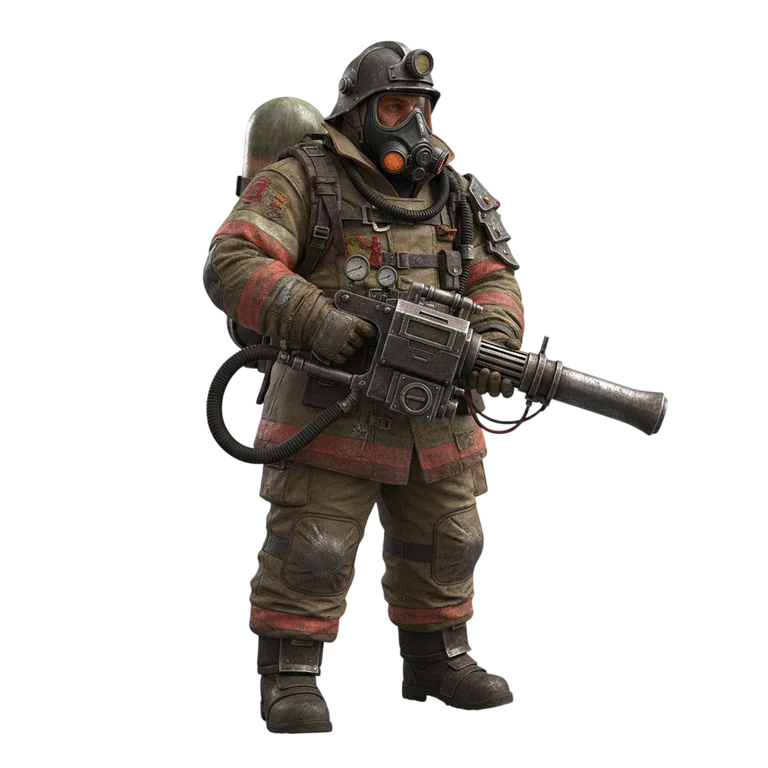
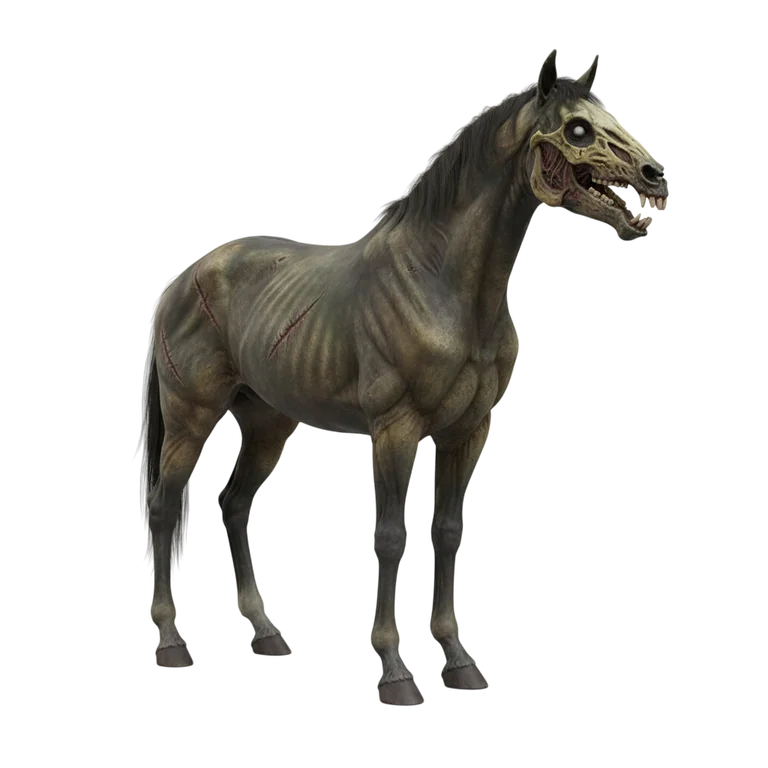
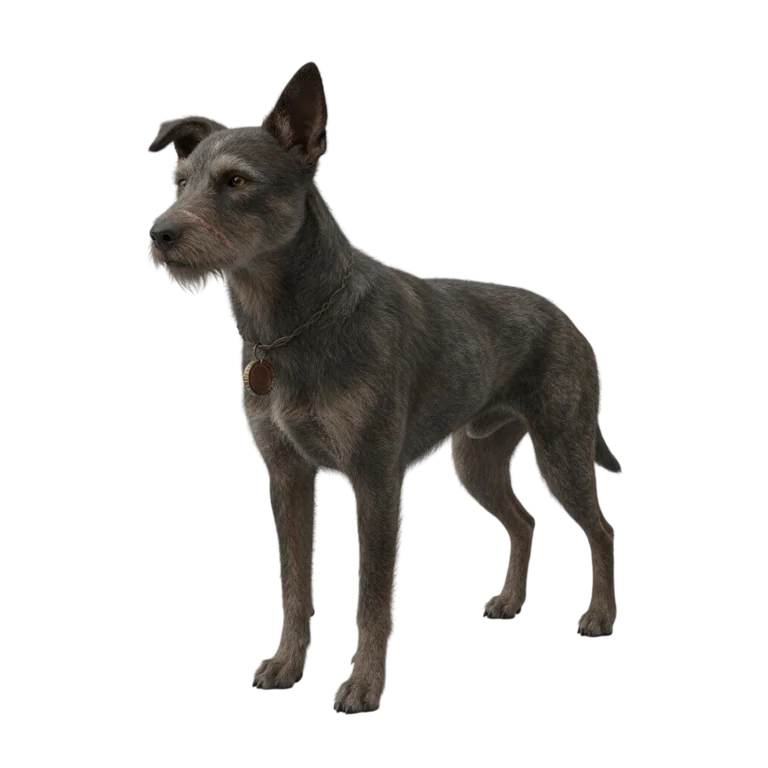
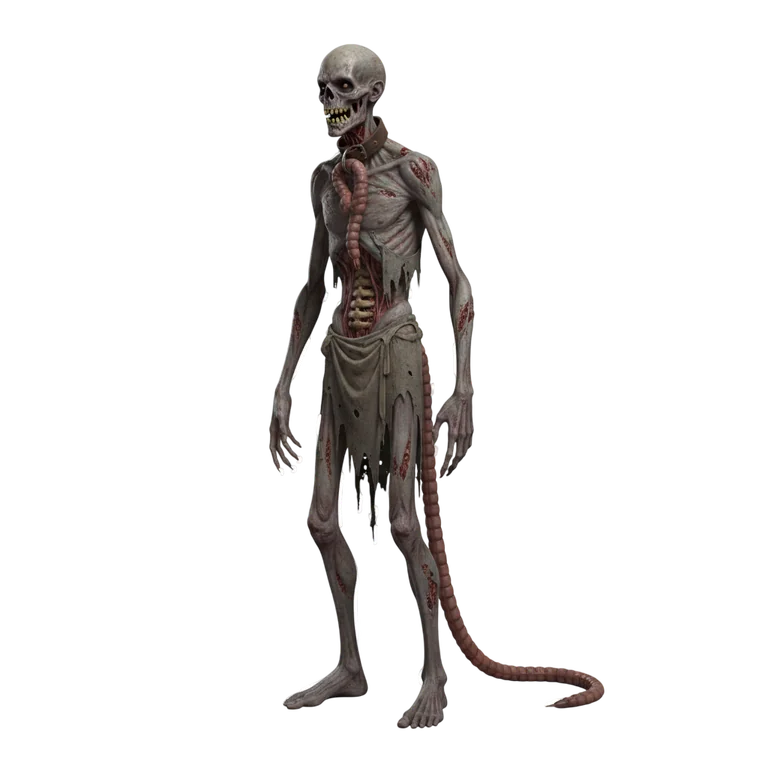
The campaign you're given is a starting point, not a ceiling. The Studio generates original art for the people and places your table invents — a companion picked up mid-quest can have a portrait before the next fight.
Four kinds, and together they're a complete loop: make a character, pose it for the battlefield, give it somewhere to fight, and set a scene.
Type @ in a description to point at someone who already exists, and their own art goes in as a reference — so a returning NPC is redrawn as the same individual, not a new stranger. Nothing else in this space does that.
Generation is metered and costs pennies — see what it costs.
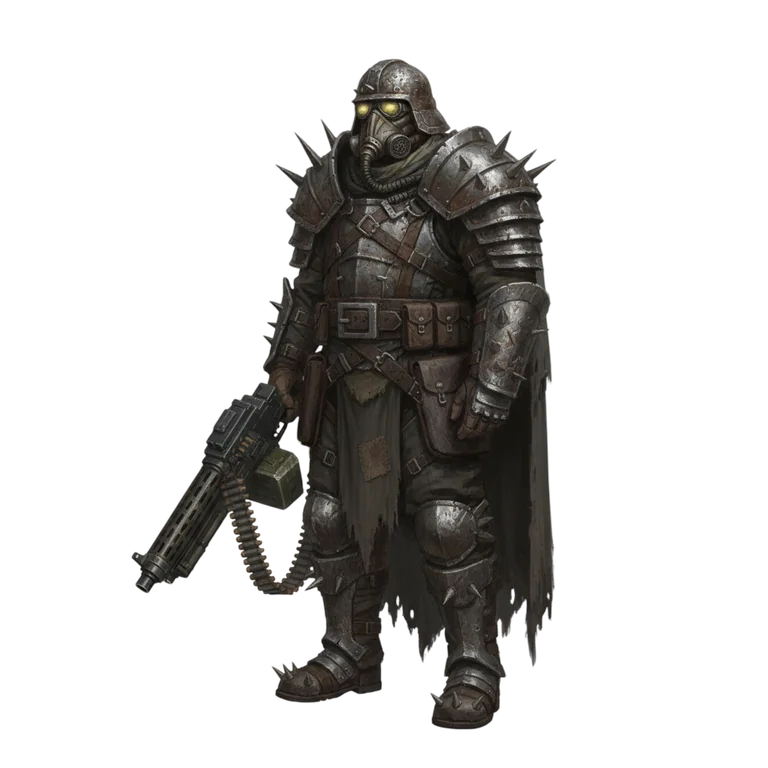
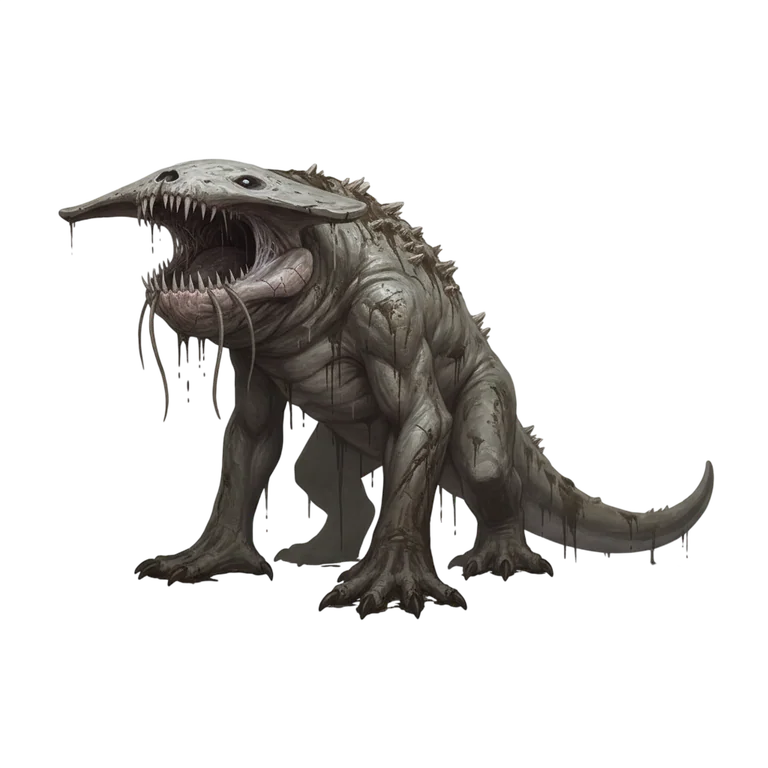
A fight that settles itself
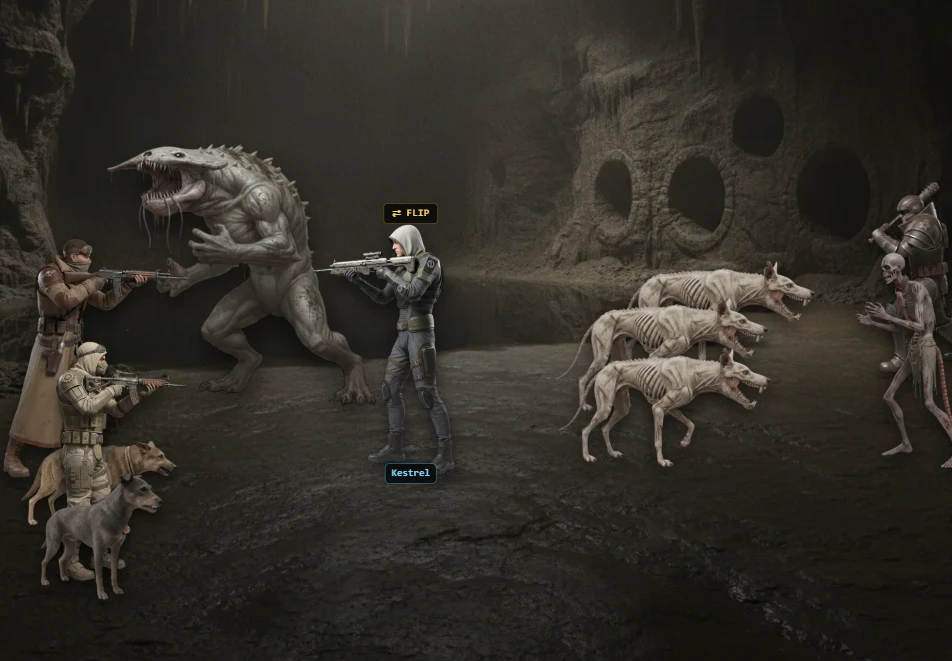
You stage the battle first — place the models, set the backdrop, add enemies — with no clock running and nobody able to act. When you begin, initiative is rolled for everyone at once.
To-hit, damage, crits, ammo and defence are resolved by the engine. A character at 0 HP is down, not out: still on the field, and revivable by a teammate spending a stim and their turn.
Slots that enforce themselves
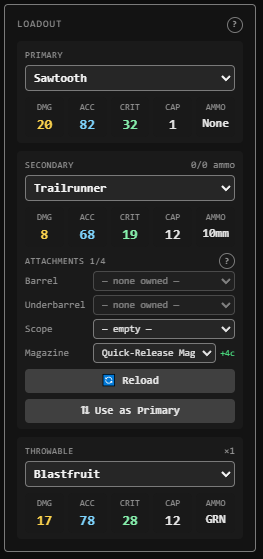
54 weapons and 28 attachments, and the slots decide what actually fits — a pistol won't go in the primary slot, and a scope won't mount on a weapon that has nowhere to put it.
Equipping an attachment folds its bonus straight into the weapon's damage, accuracy and crit; remove it and the numbers drop back. Nobody recalculates anything.
Everything a character is carrying is on the same panel, and it updates the moment a purchase or a reward lands.
Books that keep themselves
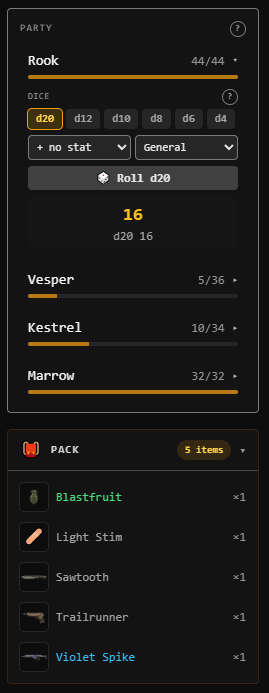
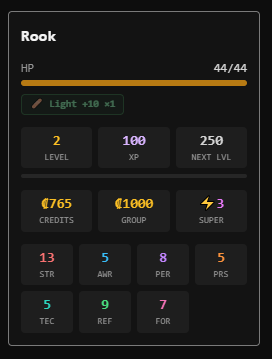
Every player has a live character sheet that updates as things happen — no refreshing, no asking the GM what their HP is.
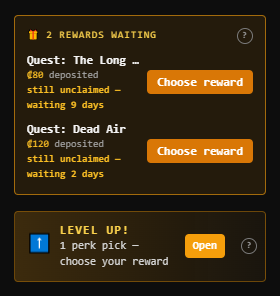
XP, levels, credits and quest rewards land automatically. Crossing a threshold banks a perk pick the player claims whenever they like, so nobody has to stop the game to level up.
Finish a quest and every player's credit share is paid at once; each of them then picks one personal reward in their own time.
A record the party writes
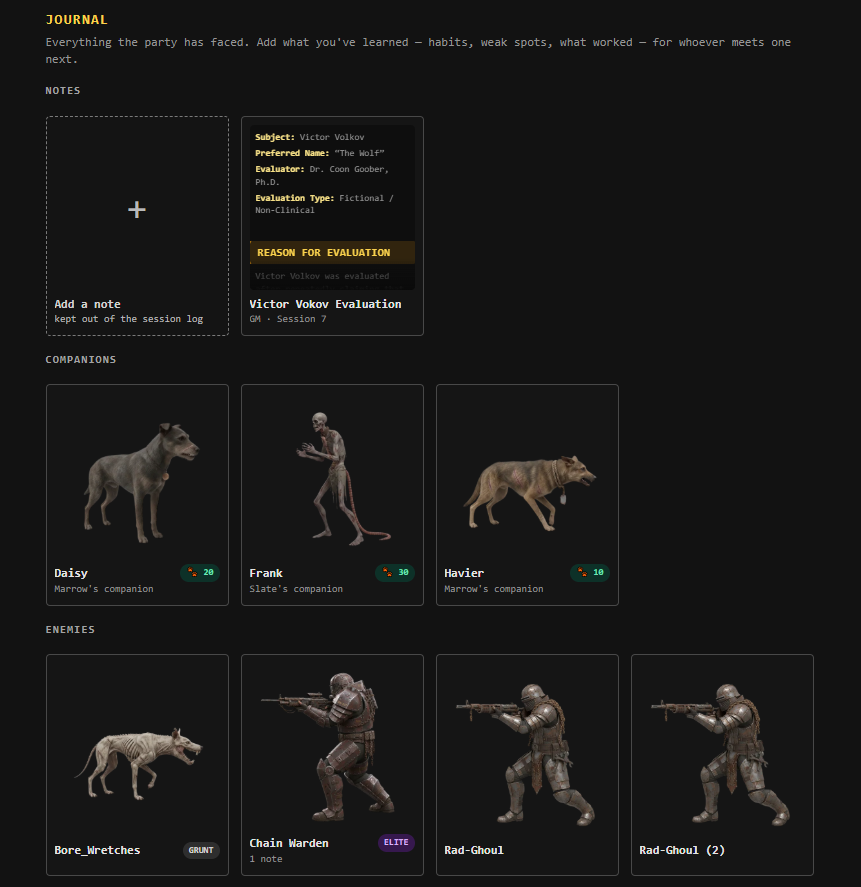
Notes anyone can add and format — a rumour, a name, a plan, a write-up — that stay findable no matter how many fights scroll past.
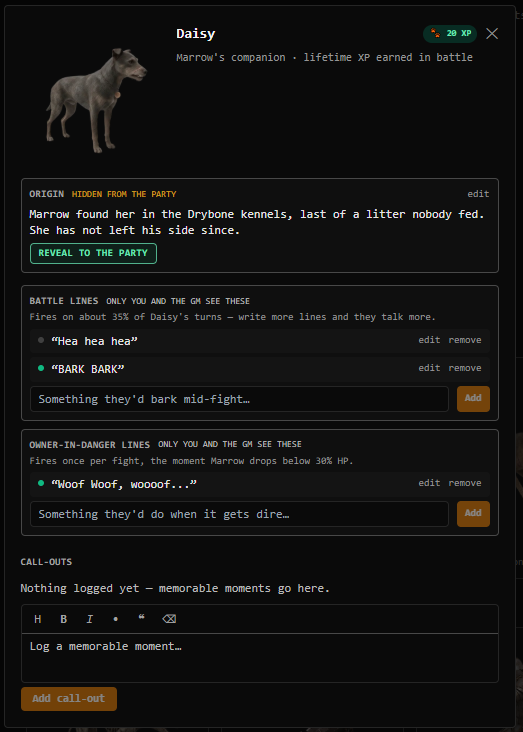
Companions get a page each: where they came from, and the lines they throw out mid-fight. An enemy encounter log fills itself in as the party actually meets things, holding what they've learned (“aim for the barbels”).
What's provided, what you bring
- +The world — 39 places, 118 routes, original art for nearly all of it
- +20 quests, 74 beats, written and ready to push to the table
- +A turn-based combat engine, and the maths behind it
- +Automatic XP, levels, credits, ammo and rewards
- +A shared journal, companion pages and an enemy encounter log
- +An art studio for everything you invent yourself
- +A GM guide, and an in-app manual for your players
- ·A group, and a standing time to play
- ·The storytelling — voices, pacing, what happens between the beats
- ·Decisions: what's on offer, when a fight starts, when a quest is done
- ·Roughly half an hour of reading before each session
Buy it once
One purchase for the game, and it covers your whole table — your players never pay anything.
Generating your own art is the only running cost, because it's the only thing that costs us money per use. It's sold in small top-ups that don't expire, so a campaign that fizzles leaves nothing stranded.
The whole game — every location, quest, item and enemy, the combat engine, the journal, and the Studio. Your own copy, yours to change. Includes 40 generated images to start with, which is enough to redraw a party and give them somewhere to fight.
More images
If you run out, top up. Credits don't expire and there's no subscription.
- 20 images$3
- 40 images$5.50
- 60 images$7.50
- 80 images$9
Not for sale yet — generation isn't metered, so everything you make is currently on us. These are the prices when it is.
You'll get a code by email. Redeem it whenever you like — it builds your campaign then, not at checkout, so buying and setting up don't have to happen the same evening.
Currently available to customers in the United States.
See what you'd be running
The GM guide is the whole job in two halves — what to do before session one, and what to reach for during one. It's free to read, and it's the most honest look at this you'll get.